Buy wjbem.eu ?
We are moving the project
wjbem.eu .
Are you interested in purchasing the domain
wjbem.eu ?
domain@kv-gmbh.de · 0541-91531010
Buy wjbem.eu ?
How are eudaimonia and daimonion connected in Socrates' philosophy?
In Socrates' philosophy, eudaimonia refers to human flourishing or living a fulfilling life. Daimonion, on the other hand, refers to a divine sign or inner voice that guides individuals towards what is right and virtuous. Socrates believed that following one's daimonion would lead to eudaimonia, as it would guide individuals towards living a virtuous and fulfilling life. Therefore, the connection between eudaimonia and daimonion lies in the belief that following one's inner divine sign will ultimately lead to a flourishing and fulfilling life. **
What are the differences and similarities between eudaimonia and deontology?
Eudaimonia and deontology are both ethical theories, but they differ in their approach. Eudaimonia, often associated with Aristotle, focuses on the concept of human flourishing and living a virtuous life to achieve happiness. Deontology, on the other hand, is a moral theory that emphasizes the importance of following rules and duties to determine what is right or wrong, regardless of the consequences. Both theories aim to guide individuals in making ethical decisions, but eudaimonia is more focused on the overall well-being and character development of a person, while deontology is more concerned with the principles and duties that should be followed in moral decision-making. **

Similar search terms for Eudaimonia
Top-Angebote
Products related to Eudaimonia:
-
Multisell Products Hub Magnetic Bottle Opener For Household Mineral Water Plastic Beverage Bottles And Cap Opening, Kitchen Accessories Gadgets whiteEffortless Cap Opening for Everyday Kitchens Upgrade your routine with this 1 pcs Kitchen Accessories Gadgets Magnetic Bottle Opener for Household Mineral Water Plastic Beverage Bottles and Cap Opening designed for convenience and comfort. It makes...34,97 $*Shipping: 0,00 $Secure redirect to the provider
-
Of Wheels Deals Car Cup Holder Expander With Phone Storage For Bottles Cups & Smartphones Car Cup Holder Expander With Phone Storage For Bottles Cups & SmartphonesBring more comfort and less clutter to every drive with the 1 pc of Car cup holder expander that keeps your drink and phone within easy reach. This practical 2in1 organizer is designed for drivers who want a cleaner, more organized vehicle without...41,97 $*Shipping: 0,00 $Secure redirect to the provider
-
Multicon Wholesale Hub Mobile Phone Screen Repair Tool Kit Professional Screwdriver Set For IPhone & Smartphones Mobile Phone Screen Repair Tool Kit Professional Screwdriver Set For IPhone & SmartphonesTransform your phone repair experience with this versatile 20 in 1 mobile phone screen opening repair tool kit. Whether youre fixing a cracked screen or tackling other repairs, this highquality set is designed for efficiency and precision. Its...63,97 $*Shipping: 0,00 $Secure redirect to the provider
-
Ultimate TENS Gadgets by Prospera in White (Size OS)Ultimate TENS Gadgets is a versatile and comprehensive massage device designed to deliver deep muscle relief at home or on the go. Ultimate TENS Gadgets include PL009-EV Electronic Pulse Massager, PL009B Penguin Electronic Pulse TENS Massager and...169,99 $*Shipping: 25,98 $Secure redirect to the provider



-
How are reason, language, and eudaimonia connected according to Aristotle?
According to Aristotle, reason, language, and eudaimonia are interconnected in the pursuit of human flourishing. Reason allows humans to engage in rational thought and make choices that lead to a virtuous and fulfilling life. Language enables individuals to communicate and express their thoughts, allowing for the sharing of knowledge and the development of moral virtues. Eudaimonia, or human flourishing, is achieved through the cultivation of virtues and the use of reason to make choices that lead to a life of purpose and fulfillment. Therefore, reason and language are essential tools in the pursuit of eudaimonia, as they enable individuals to develop and express their moral virtues and make choices that lead to a flourishing life. **
-
How are Eudaimonia and Daimonion related in the philosophy of Socrates?
In the philosophy of Socrates, Eudaimonia refers to human flourishing or living a life of fulfillment and happiness. Daimonion, on the other hand, refers to the inner voice or guiding spirit that Socrates believed each person possessed. Socrates believed that by following one's daimonion and living a virtuous life, one could achieve eudaimonia. Therefore, the relationship between Eudaimonia and Daimonion in Socrates' philosophy is that by listening to and following one's inner voice or daimonion, one can achieve a state of eudaimonia or true happiness and fulfillment. **
-
How are eudaimonia and daimonion related in the philosophy of Socrates?
In the philosophy of Socrates, eudaimonia refers to human flourishing or living a life of virtue and excellence. Daimonion, on the other hand, refers to the inner voice or guiding spirit that Socrates believed was a divine sign guiding him towards moral decisions. Socrates believed that following the guidance of his daimonion would lead to eudaimonia, as it would help him make virtuous choices and live a life in accordance with reason and moral principles. Thus, the relationship between eudaimonia and daimonion in Socrates' philosophy is that following the inner voice of daimonion is essential for achieving eudaimonia or human flourishing. **
-
How can one best differentiate between happiness, bliss, and eudaimonia according to Aristotle?
According to Aristotle, happiness (eudaimonia) is the ultimate goal of human life and is achieved through the cultivation of virtue and the fulfillment of one's potential. Bliss, on the other hand, is a state of extreme joy or contentment, often temporary and dependent on external circumstances. To differentiate between the two, one must consider that happiness is a more enduring and holistic state, encompassing a sense of fulfillment and purpose, while bliss is a fleeting emotional experience. Ultimately, Aristotle's concept of eudaimonia emphasizes the importance of living a virtuous and meaningful life, which goes beyond mere pleasure or temporary joy. **

Why, according to Aristotle, is happiness (Eudaimonia) not equivalent to having good luck (Eutychia)?
According to Aristotle, happiness (Eudaimonia) is not equivalent to having good luck (Eutychia) because happiness is a state of being that is achieved through virtuous actions and living a life in accordance with reason and moral virtue. Good luck, on the other hand, is external and based on chance or circumstances beyond one's control. Aristotle believed that true happiness comes from within and is the result of living a life of virtue, rather than relying on external factors like luck. **
Why, according to Aristotle, is happiness (Eudaimonia) not to be equated with having good luck (Eutychia)?
According to Aristotle, happiness (Eudaimonia) is not to be equated with having good luck (Eutychia) because happiness is not dependent on external circumstances or luck. Instead, happiness is the result of living a virtuous and fulfilling life, which requires deliberate action and cultivation of moral character. Good luck, on the other hand, is based on external factors that are beyond our control, and therefore cannot be the ultimate source of true and lasting happiness. Aristotle believed that true happiness comes from within, through the practice of virtue and the development of a well-lived life. **
Top-Angebote
Products related to Eudaimonia:
-
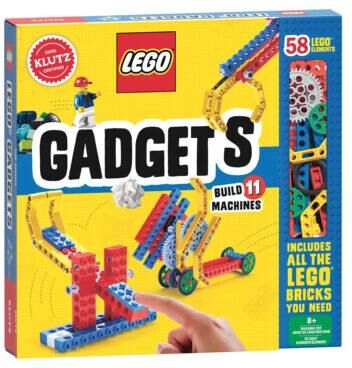
Klutz: LEGO GadgetsThis activity kit will have you building 11 machines including a gravity powered car and a wacky boxing robot. The fun doesn't stop once you've completed all of the projects in the book - open-ended prompts will inspire you to continue experimenting...24,99 $*Shipping: 0,00 $Secure redirect to the provider
-
Hikmicro MINI2 V2 Thermal Imaging Camera for SmartphonesHikmicro MINI2 V2 Thermal Imaging Camera for Smartphones (Mini2-Series-V2) The Hikmicro MINI2 V2 Thermal Imaging Camera turns a smartphone into a professional thermal imager. With its high-resolution 256 x 192 VOx sensor (49,152 pixels) and SuperIR image enhancement, it produces clear thermal images for diagnostics, inspections and everyday problem-solving. Suited to HVAC engineers, electricians, plumbers, homeowners and hobbyists, the MINI2 V2 is compact, lightweight and battery-free, powered directly from the connected phone. It measures -20°C to 400°C for reliable results across a wide range of applications, with no screen of its own — all viewing and control happens through the smartphone via the HIKMICRO Viewer app. Key Features & Benefits High Thermal Resolution:186,00 £*Shipping: 0,00 £Secure redirect to the provider
-
Multisell Products Hub Magnetic Bottle Opener For Household Mineral Water Plastic Beverage Bottles And Cap Opening, Kitchen Accessories Gadgets whiteEffortless Cap Opening for Everyday Kitchens Upgrade your routine with this 1 pcs Kitchen Accessories Gadgets Magnetic Bottle Opener for Household Mineral Water Plastic Beverage Bottles and Cap Opening designed for convenience and comfort. It makes...34,97 $*Shipping: 0,00 $Secure redirect to the provider
-
Of Wheels Deals Car Cup Holder Expander With Phone Storage For Bottles Cups & Smartphones Car Cup Holder Expander With Phone Storage For Bottles Cups & SmartphonesBring more comfort and less clutter to every drive with the 1 pc of Car cup holder expander that keeps your drink and phone within easy reach. This practical 2in1 organizer is designed for drivers who want a cleaner, more organized vehicle without...41,97 $*Shipping: 0,00 $Secure redirect to the provider
-
How are eudaimonia and daimonion connected in Socrates' philosophy?
In Socrates' philosophy, eudaimonia refers to human flourishing or living a fulfilling life. Daimonion, on the other hand, refers to a divine sign or inner voice that guides individuals towards what is right and virtuous. Socrates believed that following one's daimonion would lead to eudaimonia, as it would guide individuals towards living a virtuous and fulfilling life. Therefore, the connection between eudaimonia and daimonion lies in the belief that following one's inner divine sign will ultimately lead to a flourishing and fulfilling life. **
-
What are the differences and similarities between eudaimonia and deontology?
Eudaimonia and deontology are both ethical theories, but they differ in their approach. Eudaimonia, often associated with Aristotle, focuses on the concept of human flourishing and living a virtuous life to achieve happiness. Deontology, on the other hand, is a moral theory that emphasizes the importance of following rules and duties to determine what is right or wrong, regardless of the consequences. Both theories aim to guide individuals in making ethical decisions, but eudaimonia is more focused on the overall well-being and character development of a person, while deontology is more concerned with the principles and duties that should be followed in moral decision-making. **
-
How are reason, language, and eudaimonia connected according to Aristotle?
According to Aristotle, reason, language, and eudaimonia are interconnected in the pursuit of human flourishing. Reason allows humans to engage in rational thought and make choices that lead to a virtuous and fulfilling life. Language enables individuals to communicate and express their thoughts, allowing for the sharing of knowledge and the development of moral virtues. Eudaimonia, or human flourishing, is achieved through the cultivation of virtues and the use of reason to make choices that lead to a life of purpose and fulfillment. Therefore, reason and language are essential tools in the pursuit of eudaimonia, as they enable individuals to develop and express their moral virtues and make choices that lead to a flourishing life. **
-
How are Eudaimonia and Daimonion related in the philosophy of Socrates?
In the philosophy of Socrates, Eudaimonia refers to human flourishing or living a life of fulfillment and happiness. Daimonion, on the other hand, refers to the inner voice or guiding spirit that Socrates believed each person possessed. Socrates believed that by following one's daimonion and living a virtuous life, one could achieve eudaimonia. Therefore, the relationship between Eudaimonia and Daimonion in Socrates' philosophy is that by listening to and following one's inner voice or daimonion, one can achieve a state of eudaimonia or true happiness and fulfillment. **
Similar search terms for Eudaimonia
-
Multicon Wholesale Hub Mobile Phone Screen Repair Tool Kit Professional Screwdriver Set For IPhone & Smartphones Mobile Phone Screen Repair Tool Kit Professional Screwdriver Set For IPhone & SmartphonesTransform your phone repair experience with this versatile 20 in 1 mobile phone screen opening repair tool kit. Whether youre fixing a cracked screen or tackling other repairs, this highquality set is designed for efficiency and precision. Its...63,97 $*Shipping: 0,00 $Secure redirect to the provider
-
Ultimate TENS Gadgets by Prospera in White (Size OS)Ultimate TENS Gadgets is a versatile and comprehensive massage device designed to deliver deep muscle relief at home or on the go. Ultimate TENS Gadgets include PL009-EV Electronic Pulse Massager, PL009B Penguin Electronic Pulse TENS Massager and...169,99 $*Shipping: 25,98 $Secure redirect to the provider
-
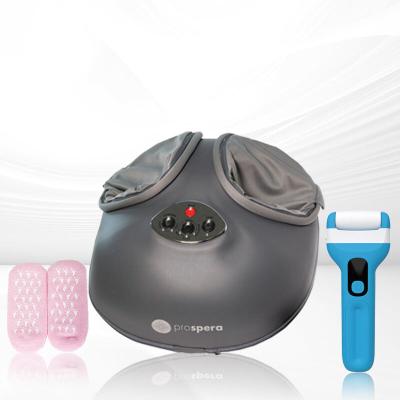
Ultimate Foot Premium Gadgets by Prospera in Grey (Size OS)Relax, rejuvenate, and keep your feet soft, smooth, and refreshed with the Ultimate Foot Massage Set-your complete solution for foot muscle relaxation, pain relief, and skincare.This all-in-one set includes the Prospera Shiatsu Foot Massager with...199,99 $*Shipping: 24,98 $Secure redirect to the provider
-
Beautiful Face Premium Gadgets by Prospera in White (Size OS)The Beautiful Face Set offers a complete suite of advanced skincare tools designed to bring professional-level treatments into the comfort of your home. The set includes Prosperas 5-in-1 Anti-Aging Beauty Device, EMS Red Blue Light 4 Probes Beauty...629,99 $*Shipping: 76,58 $Secure redirect to the provider
-
How are eudaimonia and daimonion related in the philosophy of Socrates?
In the philosophy of Socrates, eudaimonia refers to human flourishing or living a life of virtue and excellence. Daimonion, on the other hand, refers to the inner voice or guiding spirit that Socrates believed was a divine sign guiding him towards moral decisions. Socrates believed that following the guidance of his daimonion would lead to eudaimonia, as it would help him make virtuous choices and live a life in accordance with reason and moral principles. Thus, the relationship between eudaimonia and daimonion in Socrates' philosophy is that following the inner voice of daimonion is essential for achieving eudaimonia or human flourishing. **
-
How can one best differentiate between happiness, bliss, and eudaimonia according to Aristotle?
According to Aristotle, happiness (eudaimonia) is the ultimate goal of human life and is achieved through the cultivation of virtue and the fulfillment of one's potential. Bliss, on the other hand, is a state of extreme joy or contentment, often temporary and dependent on external circumstances. To differentiate between the two, one must consider that happiness is a more enduring and holistic state, encompassing a sense of fulfillment and purpose, while bliss is a fleeting emotional experience. Ultimately, Aristotle's concept of eudaimonia emphasizes the importance of living a virtuous and meaningful life, which goes beyond mere pleasure or temporary joy. **
-
Why, according to Aristotle, is happiness (Eudaimonia) not equivalent to having good luck (Eutychia)?
According to Aristotle, happiness (Eudaimonia) is not equivalent to having good luck (Eutychia) because happiness is a state of being that is achieved through virtuous actions and living a life in accordance with reason and moral virtue. Good luck, on the other hand, is external and based on chance or circumstances beyond one's control. Aristotle believed that true happiness comes from within and is the result of living a life of virtue, rather than relying on external factors like luck. **
-
Why, according to Aristotle, is happiness (Eudaimonia) not to be equated with having good luck (Eutychia)?
According to Aristotle, happiness (Eudaimonia) is not to be equated with having good luck (Eutychia) because happiness is not dependent on external circumstances or luck. Instead, happiness is the result of living a virtuous and fulfilling life, which requires deliberate action and cultivation of moral character. Good luck, on the other hand, is based on external factors that are beyond our control, and therefore cannot be the ultimate source of true and lasting happiness. Aristotle believed that true happiness comes from within, through the practice of virtue and the development of a well-lived life. **
* All prices are inclusive of VAT and, if applicable, plus shipping costs. The offer information is based on the details provided by the respective shop and is updated through automated processes. Real-time updates do not occur, so deviations can occur in individual cases. ** Note: Parts of this content were created by AI.